JEEVANA VIEW DESIGNS PVT.LTD
Architecture 3D Visualiser & 3D Walkthrough Experts
You have subscribed successfully!
Some error occured
Please fill all the required * fields.
You have subscribed successfully!
Some error occured
Please fill all the required * fields.
JEEVANA VIEW DESIGNS PVT.LTD
Architecture 3D Visualiser & 3D Walkthrough Experts
In modern architecture and design, visual communication plays a critical role in turning ideas into reality. Before a single brick is laid or a wall is painted, designers must ensure that their concepts are clearly understood by clients, stakeholders, and construction teams. Advanced digital visualization techniques have become one of the most powerful tools for achieving this clarity, allowing architectural concepts to be experienced long before construction begins.
Digital interior visualization allows architects and designers to present spaces in a highly realistic and immersive way. Instead of relying solely on sketches, floor plans, or mood boards, professionals can create lifelike images that represent how a space will actually look when completed. These visuals showcase lighting, materials, colors, furniture placement, and spatial relationships with remarkable accuracy. As a result, clients can easily imagine themselves inside the finished environment.
One of the greatest advantages of this technology is improved design communication. Architectural drawings can sometimes be difficult for non-professionals to interpret. A client looking at a 2D plan may struggle to understand the scale, depth, or atmosphere of a room. Photorealistic visualizations remove this barrier by presenting the design in a way that feels natural and intuitive. Walls, textures, shadows, and decorative elements appear exactly as they would in the real world.
Another important benefit is design flexibility. During the early stages of a project, multiple ideas and variations are often explored. Digital visualization enables designers to experiment with different layouts, color palettes, lighting scenarios, and furniture styles without the cost or time required for physical changes. A living room can instantly be transformed from a minimalist concept to a luxurious design simply by adjusting materials and décor elements in the virtual environment.
Lighting simulation is another powerful feature. Natural daylight, artificial lighting, and shadows can be accurately represented to show how a space will feel throughout the day. Architects can demonstrate how sunlight enters through windows, how ambient lighting softens a bedroom atmosphere, or how accent lighting highlights architectural features. These details help clients understand not only the appearance of a space but also its mood and functionality.
Material visualization also plays a key role. Surfaces such as wood, marble, concrete, glass, and fabric can be displayed with detailed textures and reflections. This allows clients to evaluate finishes before making final decisions. For example, they can compare how different flooring options affect the overall ambiance or see how cabinetry materials complement wall colors and lighting.
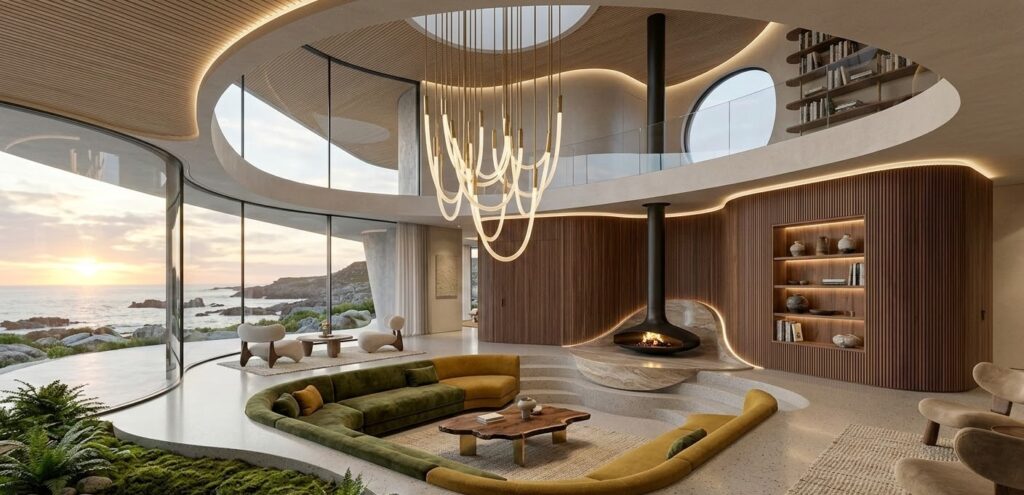
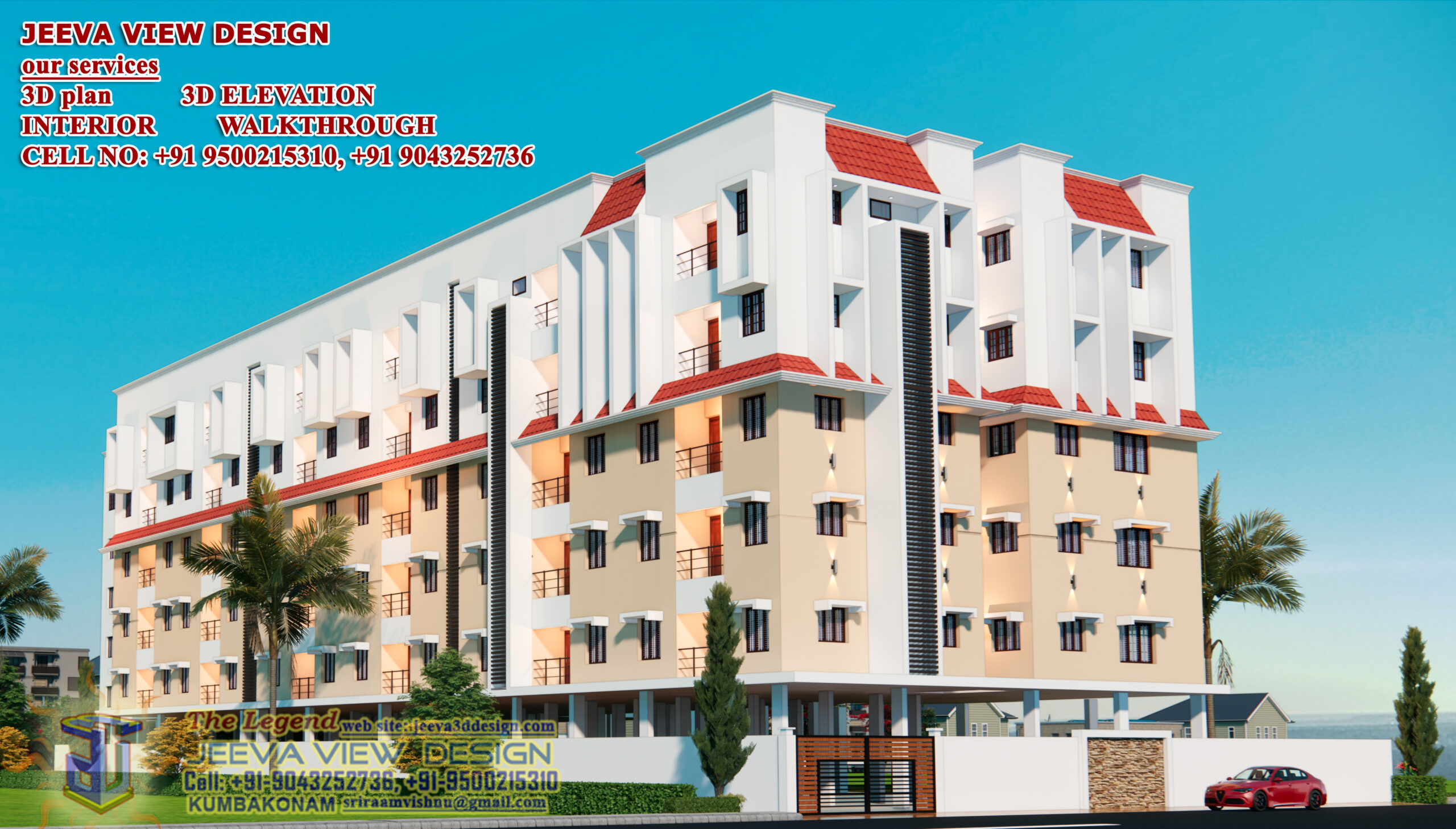
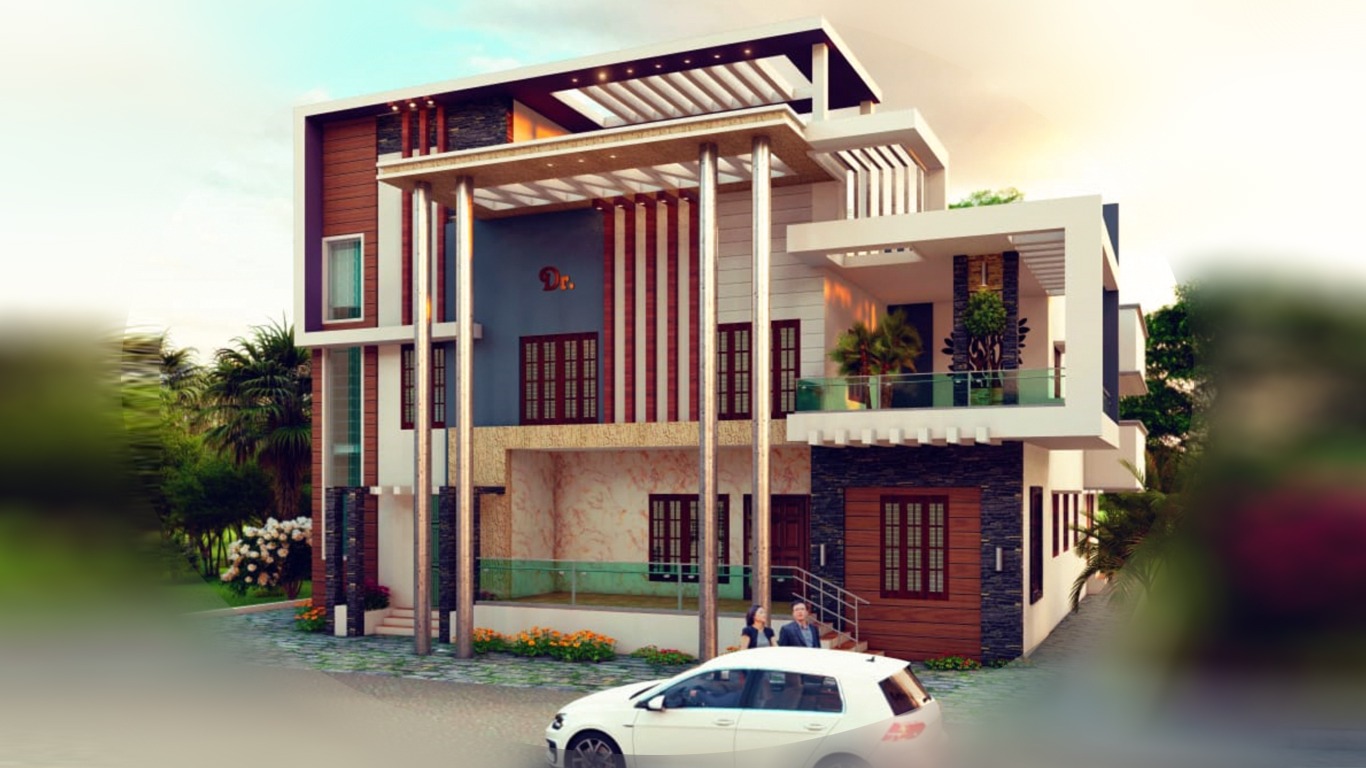
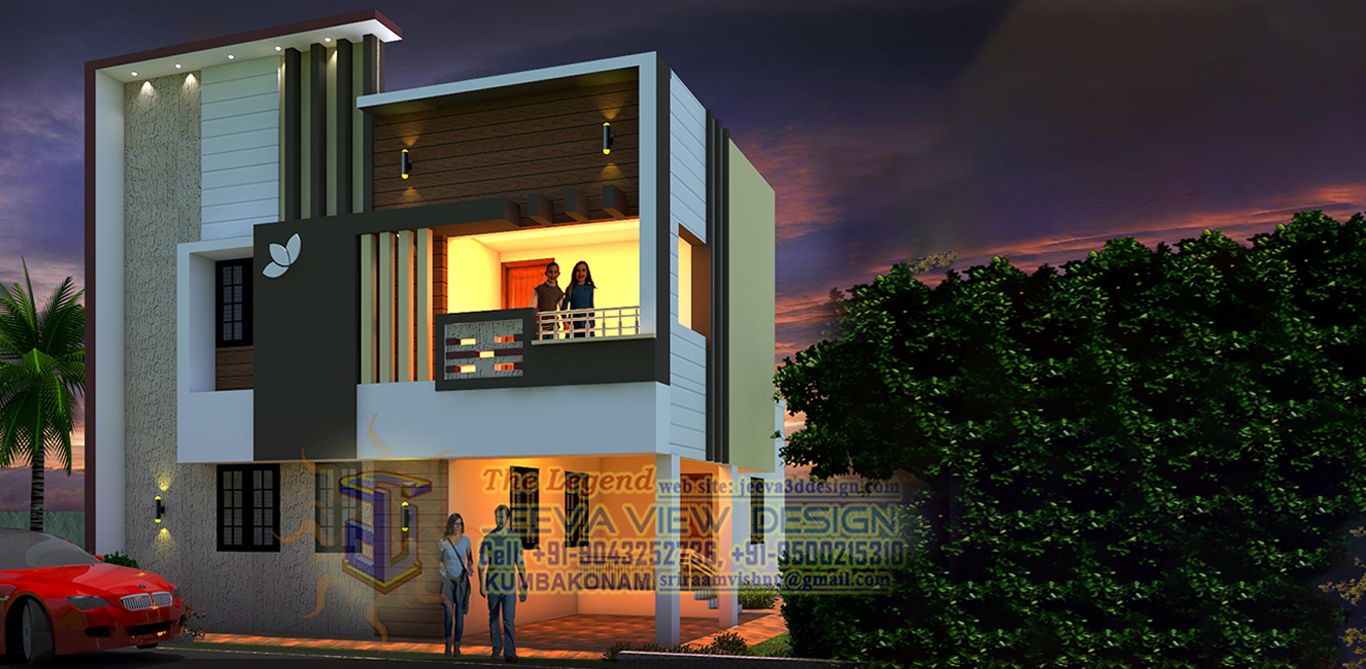
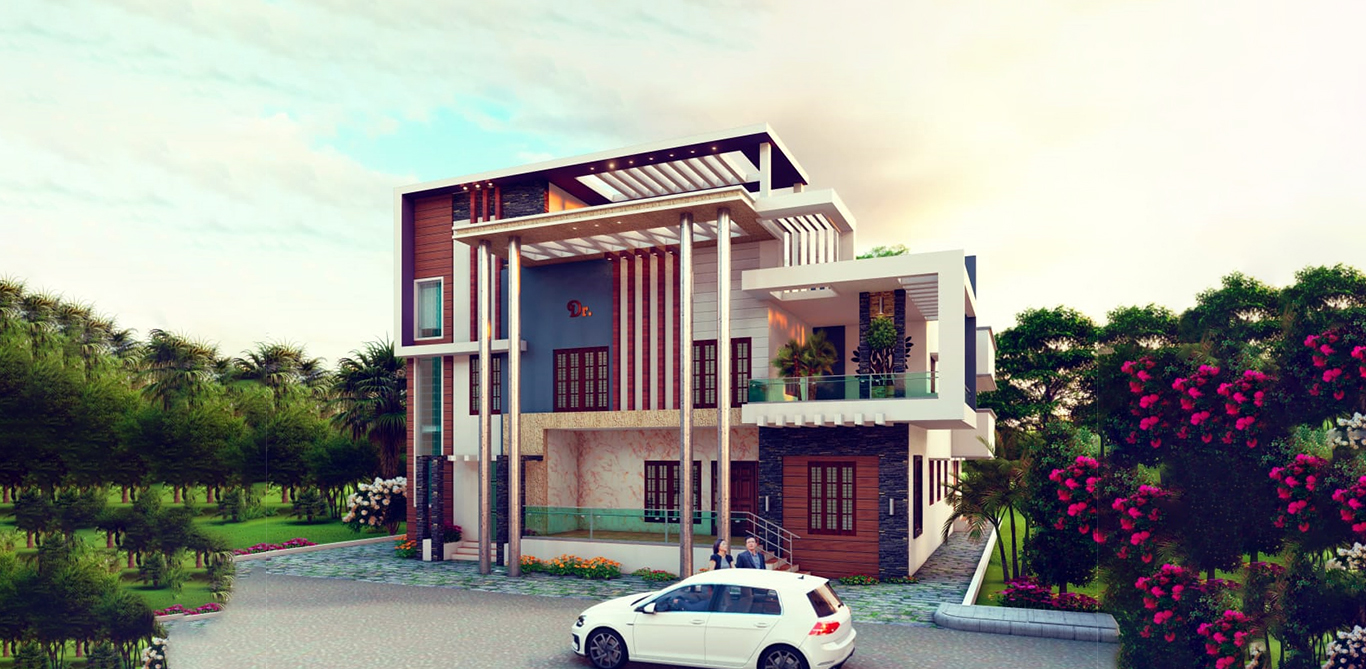
Beyond Interior 3D design development, these visualizations are also valuable for marketing and presentations. Real estate developers and architects often use high-quality imagery to promote residential or commercial projects before construction is completed. Potential buyers or investors can explore beautifully crafted scenes that showcase the lifestyle and experience of the future space. This significantly improves engagement and helps communicate the vision behind the project.
Collaboration between architects, interior designers, and clients also becomes more efficient. When everyone can view the same detailed visual representation, feedback becomes clearer and revisions can be made quickly. Instead of lengthy explanations, designers can simply adjust the digital scene to reflect suggestions or new ideas.
As architectural technology continues to evolve, immersive experiences such as virtual walkthroughs and interactive environments are becoming increasingly common. These innovations allow users to explore a space from different perspectives, creating an even deeper understanding of scale, layout, and design intent.
Ultimately, digital visualization has transformed how architectural interiors are presented and developed. By combining artistic creativity with advanced technology, designers can bring their ideas to life with stunning realism. This approach not only enhances communication but also improves decision-making, reduces costly changes, and ensures that the final built environment closely matches the original vision.
Click Here to know more about Interior 3D Rendering.
WhatsApp us

Architecture 3D Visualiser & 3D Walkthrough Experts
Jeeva View Design is a chief and believed supplier of 3D Delivering Administrations and 3D Walkthrough Liveliness. We offer the best quality 3D Photorealistic Renderings. Throughout recent years, our 3D Delivering Studio has delivered 100’s of ventures with heaps of private and business projects.